Writing 3 min read
The frames that survived two local models
I generated about 150 test images with FLUX.3 Klein and Moss Image. Six made the cut, and the keep rate is why AIWalls exists.

Zain Haroon — Full-stack Engineer

My ComfyUI output folder has about 150 text-to-image test renders in it. Portraits, brand mockups, infographics, landscapes, and a few ideas that did not survive the first look. Two models made them: FLUX.3 Klein and Moss Image, both int8, both on a 16 GB RTX 4060 Ti.
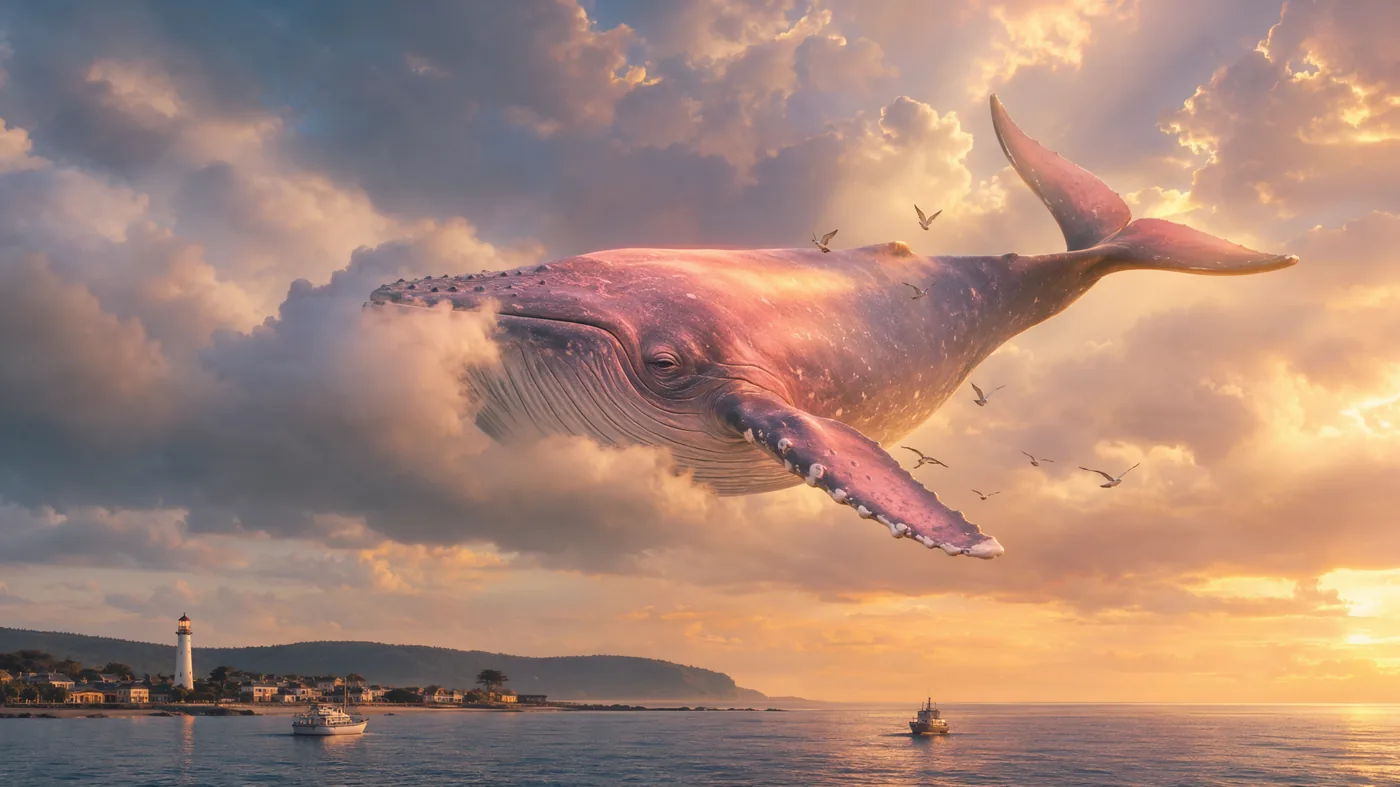
Most of those files are not wallpaper material. Six frames were worth keeping. They are below, along with the settings I settled on and why this folder turned into AIWalls (first published as Latent Noir).
The setup
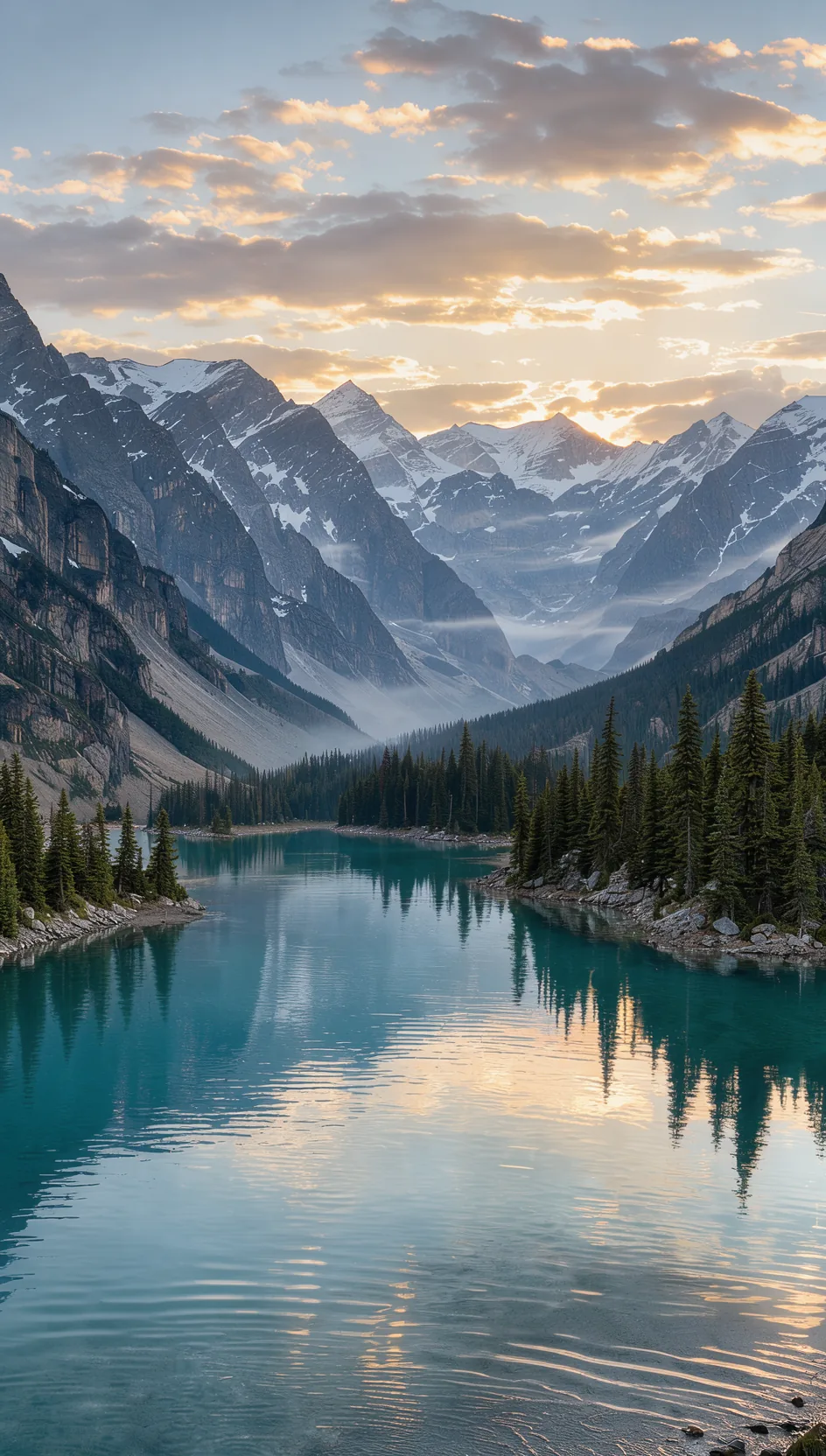
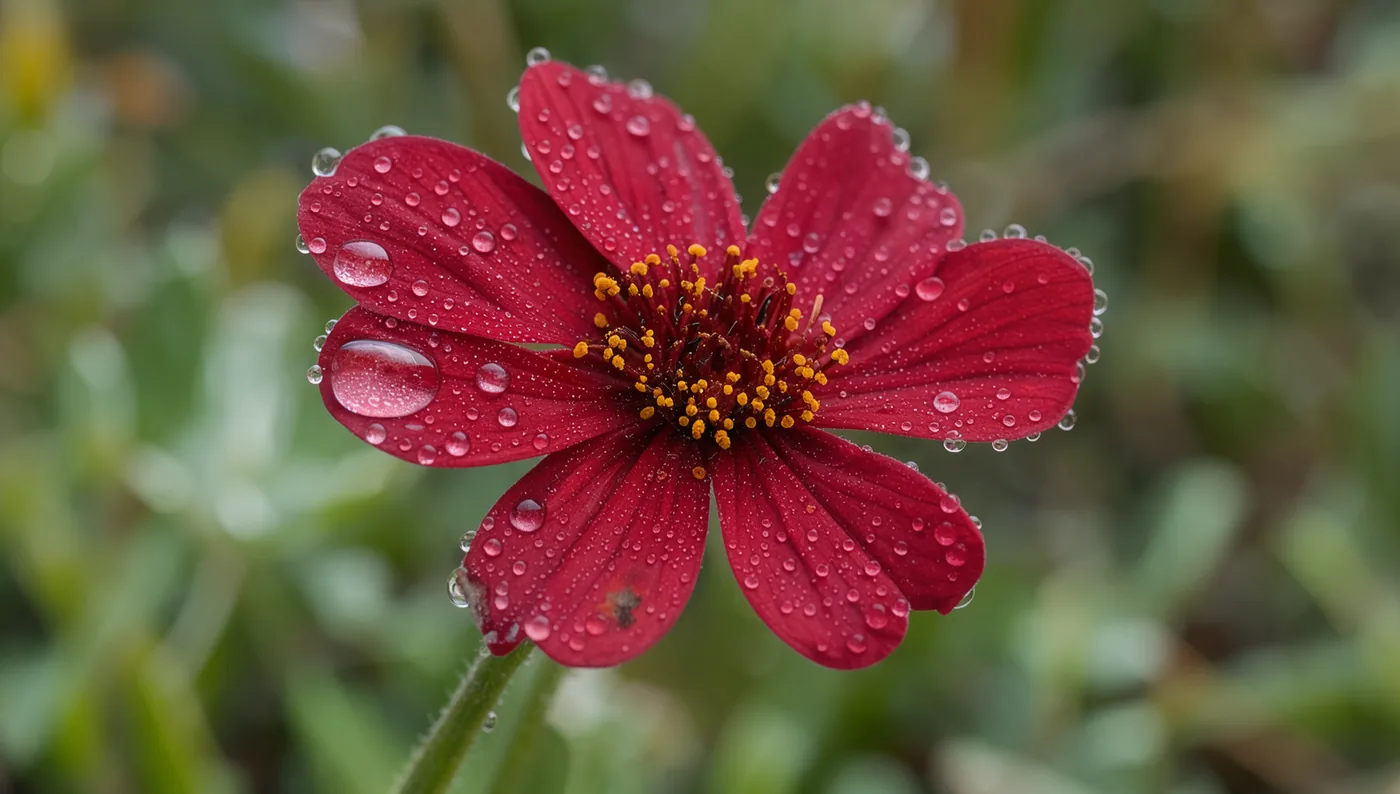
These are early tests at mixed sizes, from a 944×1664 phone frame to square library interiors. The wallpaper pipeline came later and settled on one 16:9 master at two to three megapixels, then 9:16 and 21:9 crops from the same frame.
The settings I settled on:
- FLUX.3 Klein: 16 steps, CFG 1, euler/simple. About 20 seconds for a 2 MP frame.
- Moss Image: 50 steps, CFG 4.5, dpmpp_2m/karras. About two minutes for a 2 MP frame.
Both run int8, batch 1. A direct 8.3-megapixel 4K render runs out of memory on the card, so the 4K and 5K downloads are Lanczos upscales from the 2–3 MP master. The app marks them as upscaled.
Three from FLUX
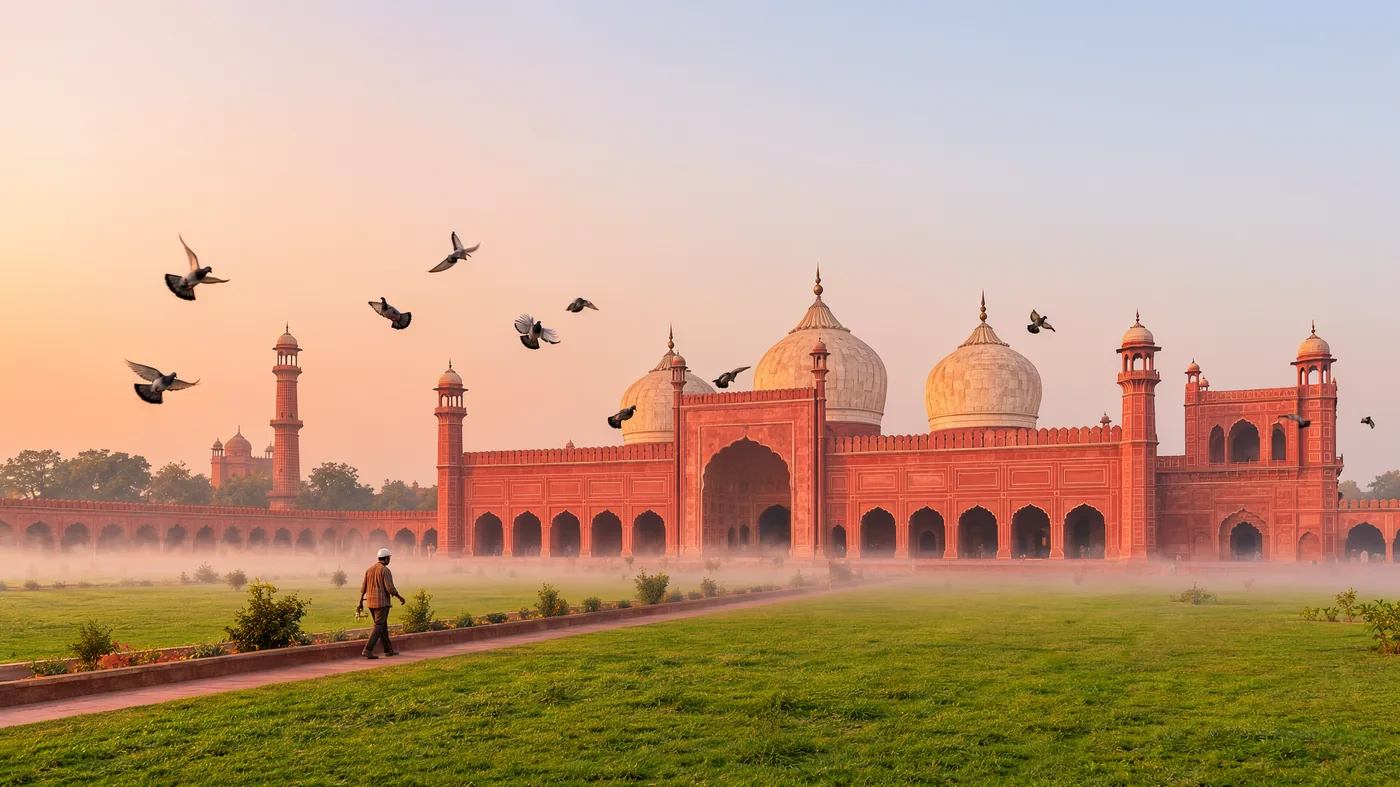
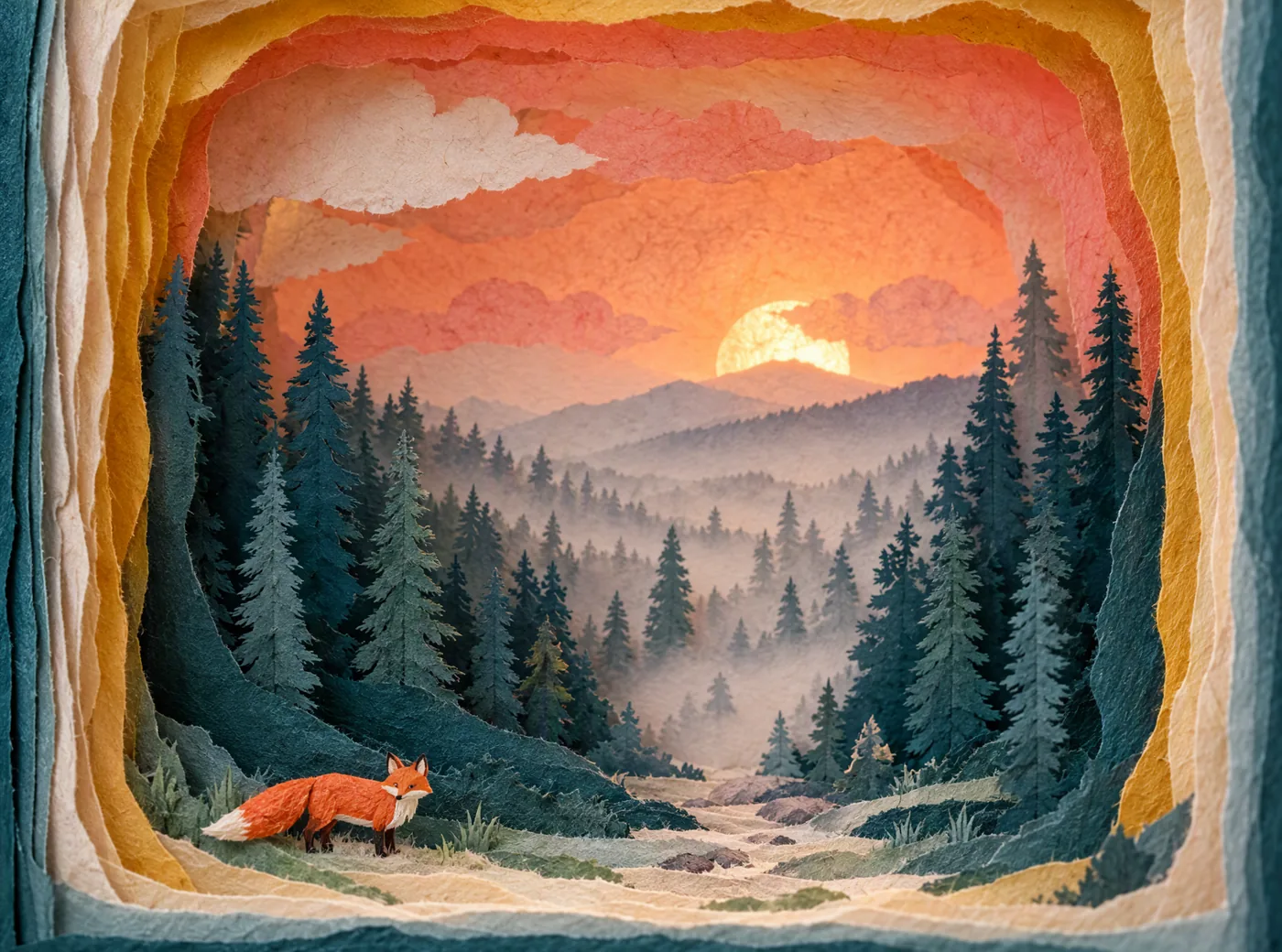
Three from Moss
What I keep
The keep rate is low. Most runs are boring, overcooked, or fall apart once cropped.
A frame survives if:
- The composition still works as 9:16 and 21:9. I generate one 16:9 master and crop the other ratios from it, so a subject parked at the far edge is a reject.
- There is enough quiet space for icons, a dock or a clock.
- The texture holds at 100%, not just in the thumbnail.
- It does not depend on text, a face or a hand.
That last rule is why the infographic tests stay tests. The chai and egg layouts are charming, but I would not ship generated lettering without retyping it. A wallpaper does not need that risk.
What the two models are good at
FLUX reads the brief literally. If I ask for a road, a tree line and a valley, I get those things in roughly the places I asked for. It is the model I use when composition matters.
Moss is the atmosphere pass. It is slower, darker by default, and more willing to let fog, weather and negative space take over. It is the model I use when the frame should feel like a place rather than a description of one.
Neither is reliable at text, hands or faces. The useful comparison is not which model is better. It is which model fits the frame in front of me.
Why it became an app
The files were the easy part. The prompts, seeds and settings were scattered across folders, and every keeper existed in three crops. If I wanted to remake a frame, I had to find the sidecar first.
AIWalls is the fix: a static gallery that publishes the image, the prompt, the model, the sampler, the seed and all three crops. There is a model bench, a same-prompt comparison and an experiments index. The recipe is part of the download page instead of a note to myself.
I am keeping a small drop every week, with daily runs when a batch is working. Eighteen pieces are live now. The next step is consistency: better prompts, more categories and fewer wasted renders.
If you want to see the current set, it is at aiwalls.zainharoon.com.